Affinity Resin Selector
Find the perfect Ecolab
resin for your monoclonal
antibody purification needs.

Find the perfect Ecolab
resin for your monoclonal
antibody purification needs.
Como líder mundial en tecnología de resinas, desarrollamos y fabricamos pequeñas perlas que se utilizan en las industrias más reguladas del mundo para separar, eliminar o recuperar elementos y compuestos muy específicos.
Aprende más
Con 40 años de experiencia en fabricación y 30 años de experiencia en reglamentación, ofrecemos tecnologías líderes en separación, purificación y extracción para respaldar las aplicaciones de cromatografía y biocatálisis en el cuidado de la salud y las ciencias de la vida.
(Actualmente solo en inglés)

Somos el líder mundial en tecnología de separación, purificación y extracción a base de resina, que brinda soluciones sostenibles para nuestro medio ambiente, negocios y atención médica.
Learn More
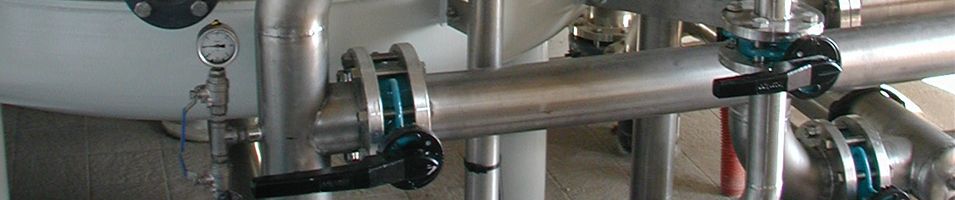
We advise on classification backwash (where appropriate) to ensure the bed is fully classified and that the lowest pressure drop is encountered across the bed. We also recommend regeneration and additional rinsing to remove trace leachables from new resin.
Be aware that when resins are first used, the ionic form required for the application is often different from the ionic form in which the resin is supplied. To convert the resin to the correct form, an initial double / triple dosage of regenerant is required to substantially convert the resin to a high state of regeneration.
Sterilization
In some industries, there is increasing end-user demand for regular, routine sterilization of the water treatment systems – including the ion exchange plant. Sterilization is also required if biological contamination of a bed is suspected.
Historically, chemicals such as formaldehyde, sodium hypochlorite, hydrogen peroxide, etc. have been used. The use of formaldehyde, however, is no longer recommended due to concerns over the handling of this material, and the damage strong oxidizing agents can inflict on ion exchange resins. While hypochlorite and hydrogen peroxide solutions are still used, it is important to pay attention to concentration and contact time as these chemicals can damage the resin and cause de-crosslinking of the resin matrix. In the case of anion resins, hypochlorite and hydrogen peroxide solutions are still used, it is important to pay attention to concentration and contact time as these chemicals can damage the resin and cause de-crosslinking of the resin matrix. In the case of anion resins, hypochlorite and hydrogen peroxide solutions will chemically attach the resin's active groups.
The sterilization chemical of choice favored by many companies is peracetic acid. A low hydrogen peroxide grade is widely available and has been shown to work very effectively on cation and anion resins without the risk of adversely affecting the performance of the bed.
Food Industry Recommendations
Special food-grade resins are supplied to potable water and food and beverage industries. Food-grade resins undergo special production steps in their manufacture and additional post treatment to reduce leachables that may be present and to meet specific regulatory and customer requirements.
On initial installation, Purolite recommends additional regenerations / rinsing, or in some cases special treatments to ensure the resin meets the required specifications and provides the best performance. The end user should test the water to ensure it satisfies any specific requirements for the application before placing the plant in service.
In the unlikely event of any continued concerns about taste, etc., further cycling between exhausted and regenerated forms will normally address the problem.